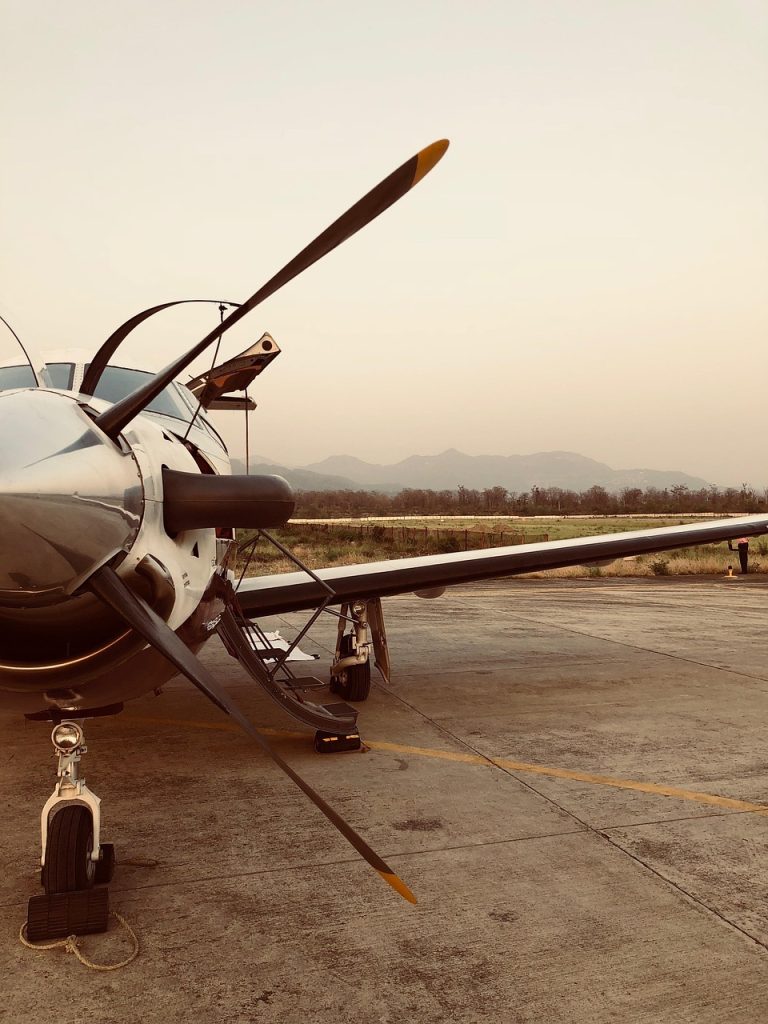
Performance and Speed Comparison Between TBM 850 and Pilatus PC-12
When discussing high-performance turboprop aircraft such as the TBM 850 and the Pilatus PC-12, aviation enthusiasts and private plane operators often focus first on performance metrics, especially speed and flight range. The TBM 850 is widely praised for its jet-like cruising speeds, a characteristic that elevates it in the category of single-engine turboprops. Powered by the Pratt & Whitney PT6A-66D engine, it reaches cruise speeds around 320 knots. This makes the TBM 850 one of the fastest in its class, offering a compelling option for pilots and operators who value swift point-to-point travel.
By comparison, the Pilatus PC-12, equipped with a Pratt & Whitney PT6A-67P engine, achieves slightly lower cruise speeds roughly in the range of 270 knots. While it doesn’t match the TBM 850 in raw speed, the PC-12 compensates with a remarkably versatile flight range and operational flexibility. Its ability to access shorter runways and operate in austere environments provides a dimension that is less about speed and more on mission adaptability.
The flight range also reveals interesting contrasts. The TBM 850 can cover approximately 1,500 nautical miles on a full fuel load, a respectable figure that supports regional and some extended flights. The Pilatus PC-12, while a bit more modest in speed, boasts a longer endurance, capable of flying around 1,800 nautical miles without refueling. This extended range makes the PC-12 a strong candidate for operators who prioritize distance over sheer velocity.
Aircraft specifications aside, these performance metrics translate directly into operational efficiency. The TBM 850’s speed advantage means less time spent en route, a crucial factor for business travelers or those relying on tight schedules. Conversely, the PC-12’s ability to land on shorter runways opens up airports inaccessible to many similar turboprops, broadening mission profiles significantly.
It’s worth noting that both aircraft exemplify turboprop efficiency, blending fuel economy with respectable cruise speeds. The TBM 850 provides a fuel-efficient alternative to light jets, retaining the ability to cruise at speeds that approach them. The Pilatus PC-12, often nominated as the “Swiss Army Knife” of turboprops, is celebrated for its robustness and multi-role capabilities, including cargo and air ambulance service, amplifying its aptitude beyond standard executive transport.
Given these aspects, the speed comparison between the TBM 850 and Pilatus PC-12 hinges on specific user priorities. If speed is paramount, the TBM 850’s niche is clear. However, if operational versatility and payload capacity are more decisive, the Pilatus PC-12 edges ahead. This makes aircraft comparison an exercise that should weigh performance metrics alongside intended operational contexts for best results.
Cabin Comfort and Interior Versatility in TBM 850 and Pilatus PC-12
In the realm of private planes, the interior cabin experience is a significant factor influencing pilot and passenger satisfaction. The TBM 850 and the Pilatus PC-12, while both categorized as turboprop aircraft, present distinctive approaches to cabin design and spaciousness that reflect their overall design philosophies.
The TBM 850 features a sleek, streamlined cabin optimized for speed and pilot-focused ergonomics. Its interior is designed with business travelers in mind, offering a quiet environment enhanced by soundproofing technologies, and comfort-oriented seating for up to six occupants. Although the cabin is somewhat compact due to the nature of its fast, aerodynamic airframe, the use of premium materials and modern avionics creates a cockpit highly praised for its functionality. The cabin layout encourages productive and comfortable flights, ideal for short to medium range journeys.
Conversely, the Pilatus PC-12 is renowned for its spaciousness and configuration flexibility. Its cabin comfortably accommodates up to nine passengers depending on interior arrangements, ideal for both executive transport and mission-specific roles like medical evacuation or cargo carriage. The PC-12’s sizable cargo door, measuring 53 inches wide and 52 inches tall, facilitates the loading of substantial freight or equipment, an advantage not readily matched by the TBM 850. This adaptability extends the PC-12’s utility in commercial and government applications as well.
The PC-12’s cabin’s modular nature allows operators to customize seating and storage to a high degree. From plush executive interiors with club seating to stripped-down configurations prioritizing payload, it presents options for diverse aviation missions. This level of versatility is less pronounced in the TBM 850’s cabin, which leans towards maintaining its aerodynamic advantages and weight savings.
Air conditioning systems, noise reduction features, and ergonomic considerations in both aircraft reflect sensitivity toward long flight durations; however, the PC-12 is often referenced for its superior headroom and wider cabin cross-section. Pilots and passengers report significantly less fatigue on longer journeys in the PC-12, a testament to its thoughtful design.
The choice between the TBM 850 and Pilatus PC-12 cabins hinges largely on how the aircraft will be utilized. While the TBM’s stylish, performance-focused interior suits pilots who prize speed and comfort on brief trips, the PC-12 provides an all-purpose environment capable of morphing into multiple roles—a critical factor for operators managing a range of mission profiles.
Operational Costs and Efficiency: Comparing Economic Viability of TBM 850 and PC-12
Operating turboprop aircraft today requires a balance of performance, reliability, and budget considerations. Both the TBM 850 and the Pilatus PC-12 have strong reputations for efficiency, but their operational costs present different economic profiles that are important to weigh.
The TBM 850’s design philosophy emphasizes speed and efficiency, driven by a powerful Pratt & Whitney engine that offers good fuel economy relative to its performance envelope. Owners benefit from lower direct operating costs compared to small jets, while enjoying cruise speeds that rival many entry-level jet aircraft. Maintenance costs for the TBM 850 tend to be moderate, thanks in part to its streamlined systems and the widespread availability of parts and expertise due to its popularity. Additionally, the avionics suite found in the TBM 850 often features state-of-the-art upgrades that can reduce pilot workload and increase operational safety, potentially lowering incident-related costs.
In contrast, the Pilatus PC-12’s operational characteristics focus on versatility and durability, which subtly affect its costing. Although the PC-12 has a larger airframe and heavier maximum takeoff weight, its robust construction translates into lower long-term maintenance expenses for operators employing it in challenging environments. The PC-12’s ability to operate economically from shorter and less prepared runways allows operators to access more airports, sometimes reducing total travel expenses by avoiding larger, costlier hubs.
The PC-12 boasts a useful load capacity of approximately 2,236 pounds, significantly higher than the TBM 850’s maximum payload of around 850 pounds. This difference plays a pivotal role in deciding cost efficiency for operators aiming to carry more cargo or passengers without compromising fuel reserves. The trade-off is typically seen in increased fuel burn at slower cruise speeds.
Fuel prices and maintenance requirements remain volatile parameters impacted by global economic conditions in 2026, and prospective buyers must factor these into their cost models. Charter operators frequently highlight the PC-12’s versatility and reliability as drivers of profitability, while TBM 850 owners emphasize the savings realized through faster flight times paired with competitive fuel consumption.
The economic decision between these two turboprop giants comes down to mission priorities: operators valuing speed and shorter trip times may prefer the TBM 850, whereas those needing cargo capacity, operational flexibility, and ruggedness might find the Pilatus PC-12 offers better value overall.
Flight Handling and Piloting Characteristics of TBM 850 versus Pilatus PC-12
For pilots, the flying experience forms an indispensable part of the aircraft comparison. Both the TBM 850 and the Pilatus PC-12 boast sophisticated avionics suites and flight control systems geared toward enhancing ease of operation and safety at high performance thresholds.
The TBM 850 is often lauded for its pilot-friendly cockpit featuring advanced Garmin G1000 avionics. Its sleek airframe and high cruise speed contribute to sharp handling characteristics, which some pilots equate to jet-like responsiveness despite being a turboprop. Its lightweight design and aerodynamic precision make it agile in various flight conditions but require ongoing pilot proficiency, particularly when operating at the edge of its performance capability.
On the other hand, the Pilatus PC-12 provides a more grounded flight experience tailored toward mission adaptability rather than outright speed. The airplane manages a steady, stable flight profile conducive to long flights and demanding task environments such as cargo drops or medical evacuation scenarios. Piloting the PC-12 requires appreciation for its larger physical size and greater weight, but many pilots find comfort in its forgiving handling at lower speeds and ability to safely operate on unprepared surfaces.
Both aircraft are equipped with single-engine turboprop safety systems and feature redundant backups that increase reliability. The PC-12’s cockpit, with its thoughtfully arranged instruments and user-friendly controls, caters well to cross-country navigation and is a frequent subject of praise in flight training circles. Pilots switching between these aircraft often report the PC-12’s intuitive controls and spacious layout reduce fatigue on longer missions.
Ultimately, personal piloting preference and intended mission outline heavily influence the handling choice between the TBM 850 and Pilatus PC-12. The TBM 850 is favored by those seeking a high-performance machine that challenges piloting skills with rewarding speed and agility. The PC-12 appeals to operators desiring a dependable, stable platform with enhanced versatility and safety margins for diverse aviation tasks.
Exploring further the dynamics of piloting different turboprop aircraft can be enhanced by reviewing operational footage and pilot testimonials, which offer practical insights into how these machines perform under varying circumstances.
Market Position and Practical Use Cases for TBM 850 and Pilatus PC-12 in 2026
The evolving landscape of private and business aviation in 2026 continues to accentuate the distinct niches carved by the TBM 850 and the Pilatus PC-12 among turboprop aircraft. Each has garnered a passionate user base shaped by their particular operational strengths and pricing structures.
The TBM 850 commands attention as an aircraft targeting the speed-conscious segment of private plane owners and charter operators focused on rapid point-to-point connections. Its luxury interior and accelerated cruise capabilities suit executives and pilots who value time savings over maximal payload. In the secondary market of 2026, the TBM 850 remains highly sought after, often competing indirectly with light jets due to its performance-to-cost ratio.
Conversely, the Pilatus PC-12 holds appeal for operators requiring exceptional versatility alongside dependable performance. Its cargo and passenger flexibility make it a stalwart in sectors including air ambulance, corporate transport, and utility aviation. The PC-12’s reliability and ability to access smaller, less improved airfields mean it often plays a critical role in remote or challenging operational theatres. This diverse utility cements the PC-12’s position as a multi-role aircraft adept at handling varying aviation demands.
With ongoing developments in avionics and fuel efficiency, both aircraft are scheduled to receive upgrades that reinforce their market standing. For those looking to identify which turboprop model aligns best with individual aviation needs, an extensive aircraft comparison platform can provide detailed insight into specifications facilitating informed purchasing decisions.
In essence, the Pilatus PC-12 can be seen as the rugged all-rounder, while the TBM 850 is the express sprinter in the turboprop category. Each machine suits a different pilot mindset and mission requirement, highlighting that the choice between them is less about supremacy and more about aligning aircraft capabilities with intended use. This nuanced understanding reflects the progressive sophistication of the turboprop market in 2026.