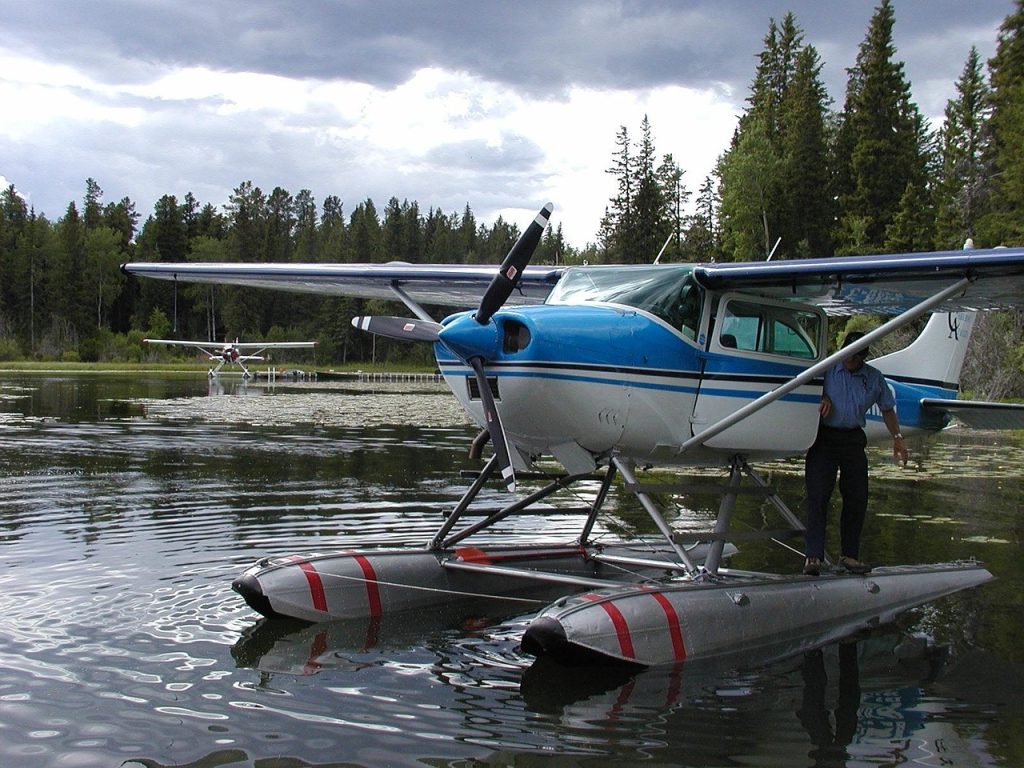
Lake Aircraft: Origins and Impact in American Aviation History
Lake Aircraft stands as a remarkable name in the annals of American aviation history, recognized for its dedicated contribution to amphibious aircraft and seaplane innovation. Established in the mid-20th century, this iconic brand evolved from early concepts of practical, versatile aircraft that could operate effectively on both water and land. The company’s legacy is intertwined with the development of general aviation in the United States, establishing a reputation for robust and reliable flyboats designed to meet the needs of recreational pilots and professionals alike.
Initially, Lake Aircraft focused on refining the seaplane—aircraft designed to take off from and land on water bodies. These amphibians captivated aviators who required access to remote areas inaccessible by traditional runways. Through innovative design engineering, Lake Aircraft transformed the perception of seaplanes from niche water fliers to mainstream general aviation assets. Their planes were known for their sturdy airframe, efficient hull design, and ease of maintenance, which made them favorites not only in American aviation circles but also internationally.
The brand’s rise was synchronized with increasing leisure aviation activities in post-war America. As more pilots sought adventure and practical freedom of movement, seaplanes like those produced by Lake Aircraft gained popularity, allowing exploration of lakes, rivers, and coastal zones. This aspect of aircraft manufacturing shaped an autonomous lifestyle, often associated with the rugged American spirit of exploration and innovation. These qualities established Lake Aircraft as a quintessential symbol of amphibious aviation excellence and contributed significantly to the broader story of iconic American brands in the aircraft manufacturing industry.
Furthermore, Lake Aircraft’s contribution to general aviation signifies a pivotal chapter in aircraft innovation. The company’s commitment to improving the efficiency and safety of amphibious aircraft helped foster advances later adopted by other designers and manufacturers. Their meticulous attention to balancing seaworthiness with aerodynamic performance influenced a generation of pilots and manufacturers, emphasizing that amphibious aircraft could serve both utility and recreation. Today, pilots considering amphibious aviation often evaluate models inspired by or developed through Lake Aircraft’s pioneering work.
This historical background situates Lake Aircraft as an emblematic player within the American aviation industry, especially reflecting on the evolution from early flyboats to modern amphibious aircraft designs. The brand’s legacy continues to resonate in various facets of flying culture and technology, marking its enduring place within the sphere of aircraft manufacturing and aviation heritage.
Evolution of Amphibious Aircraft: Lake Aircraft’s Technological Advancements
Lake Aircraft’s journey through the decades highlights an impressive trajectory of technical evolution, epitomizing the advancement of amphibious aircraft capabilities. The transition from basic seaplanes to sophisticated amphibians is characterized by steady improvements in performance, safety, and operational versatility. This transformation was vital to opening new possibilities for pilots and expanding the reach of aviation into locations otherwise unreachable by conventional land planes.
Central to Lake Aircraft’s innovation was the development of versatile floatplane hulls combined with retractable landing gear, allowing seamless switching between runway and water operations. This dual capability addressed a long-standing challenge in amphibious aviation: the need for multi-environment adaptability without compromising structural integrity or flight characteristics. The refinements in hull design to reduce water drag while maintaining buoyancy allowed pilots to handle water landings with greater control and stability, an essential advancement for general aviation enthusiasts.
Examples of Lake Aircraft’s engineering progress include the refinement of the LA-4 series, a line of aircraft famed for their rugged durability and adaptability. The Buccaneer and Renegade models incorporated increasingly powerful engines and improved aerodynamics, resulting in enhanced cruising speeds and payload capacities. These developments not only attracted private pilots but were also sought after in commercial and rescue operations where amphibious versatility could not be matched by other aircraft types.
Beyond mechanical design, Lake Aircraft contributed to improving pilot experience through adaptations that improved cockpit ergonomics and instrumentation tailored to amphibious operations. Navigational aids, such as water-specific charts and enhanced visibility features, were integrated to assist with the unique challenges of water-based takeoff and landing. These improvements underscored the brand’s commitment to both innovation and user safety.
Amphibious aircraft remain a niche but vital segment within aircraft manufacturing. In 2026, as interest in seaplanes continues to grow for eco-tourism, remote transport, and recreational flying, the foundational work accomplished by Lake Aircraft provides a valuable reference point. The interplay between legacy and innovation ensures that future designs continue to blend performance with adaptability, meeting the evolving demands of American and global aviation enthusiasts.
The Role of Lake Aircraft in General Aviation and the Seaplane Community
The impact of Lake Aircraft within general aviation is profound, particularly concerning the seaplane community. This brand has long been admired by a broad spectrum of aviators, ranging from hobbyists exploring backyard lakes to professional pilots servicing remote areas. Their planes are often celebrated for their reliability, endurance, and the ability to access unique geographical landscapes, attributes that are crucial for the specialized practice of flying amphibiously.
Historically, seaplane pilots faced considerable challenges; however, Lake Aircraft helped reduce these barriers by designing user-friendly aircraft that required less specialized training compared to previous generations of seaplanes. These designs enabled pilots to expand their flying horizons, connecting communities across lakes, rivers, and coastal regions without the need for developed airstrips. The company thus unknowingly played a significant role in promoting aviation accessibility and fostering a dedicated seaplane flying culture within and beyond the United States.
Their influence also extends to flight training programs and certification standards dedicated to seaplane and amphibious aircraft operations. Aspiring pilots often seek specific ratings to master water takeoff and landing techniques, and Lake planes are frequently used as training aircraft due to their stable handling and forgiving flight characteristics. Resources like seaplane rating guides often reference models developed by Lake Aircraft as ideal platforms for skill acquisition.
Moreover, the community around Lake Aircraft intersects with a broader interest in airplane innovation and seaplane buying guides that highlight the company’s models as benchmarks in the market. The ability to fly from water gives pilots a unique perspective on exploring the great outdoors, appealing especially to eco-tourism and adventure travel sectors. This niche is growing in popularity as enthusiasts seek quieter, more environmentally friendly modes of access to secluded destinations, as detailed in general aviation reviews and travel features.
The brand’s lasting esteem within this niche is evidenced by continuous discussions in forums and specialized publications emphasizing the durability and design excellence of Lake Aircraft’s amphibians. Today, their planes are not only a relic of historic aviation innovation but are actively used and cherished in 2026, attesting to their enduring functionality and appeal in the seaplane community.
Lake Aircraft and the Legacy of Seaplanes in American Aviation Innovation
Seaplanes have been integral to the growth of American aviation innovation, and Lake Aircraft has played a notable role in this legacy. By embracing and advancing the concept of amphibious flight, the brand helped develop aircraft that contributed significantly to both commercial and leisure aviation sectors. This influence extends beyond mere airplane manufacturing to inspiring broader technological exploration within the industry.
During the golden age of seaplanes, Lake Aircraft’s creations were at the forefront of combining robust engineering with operational utility. Their planes were used in applications ranging from aerial surveying to emergency services, showcasing the adaptability these aircraft brought to aviation. This versatility underscored how amphibious aircraft could solve practical challenges, such as reaching flood-affected regions or conducting environmental research in inaccessible aquatic zones.
From a design standpoint, Lake Aircraft embraced materials and construction techniques that enhanced durability in harsh waterborne environments—areas where corrosion and impact posed constant threats. The incorporation of corrosion-resistant alloys and improved hull seals are examples of these innovations. These technological strides not only extended each aircraft’s service life but also reduced maintenance complexity and costs, crucial factors in aircraft procurement decisions.
Additionally, the company’s contribution to aviation history is documented in several aviation museums and collections. Their amphibious planes remain emblematic of a unique category of air transport that blends maritime and aerial capabilities. Their presence in exhibitions that celebrate notable aviation brands attests to their continuous relevance and the respect they command within aircraft manufacturing circles.
As the industry enters more sustainable and eco-conscious phases in 2026, seaplanes inspired by Lake Aircraft’s designs highlight possibilities in quieter propulsion systems and minimal environmental impact. These developments align with a global trend favoring aircraft innovation that prioritizes environmental stewardship alongside operational excellence.
Contemporary Outlook: Lake Aircraft Influence and Seaplane Trends in 2026
Looking toward the future, Lake Aircraft’s impact endures as enthusiasts and manufacturers strive to refine amphibious aircraft for the modern era. As 2026 unfolds, the resurgence of seaplane interest is notable across the Americas and beyond, with advancements in materials science, avionics, and propulsion reflecting the pioneering groundwork set by companies like Lake Aircraft.
Modern seaplane buyers often seek aircraft that blend traditional versatility with cutting-edge technology. Informative resources such as seaplane buying guides provide insight into the evolving market where classic Lake designs still figure prominently alongside contemporary models. The balance between nostalgia and innovation encapsulates the current market dynamics, underscoring the brand’s iconic status within American aviation culture.
New applications for amphibious aircraft also align with emerging sectors, including eco-tourism in natural landscapes like Alaska’s lakes and the Norwegian fjords, detailed extensively on platforms focused on aerial journeys. These niches benefit particularly from the capability to land on water, allowing access to otherwise unreachable scenic locations while minimizing environmental footprint.
Technology integration, such as advanced avionics, hybrid propulsion, and improved safety features, renews interest in seaplane flying. This mirrors Lake Aircraft’s original mission of marrying practicality with innovation. Furthermore, pilots continue to explore the expanding frontiers of aircraft classification and rating protocols, engaging with specialized training to master amphibious flying techniques, as recommended in comprehensive pilot resources.
Lake Aircraft’s historical and contemporary significance is thus woven into discussions on aviation innovation and the future of general aviation. The brand’s story endures in the ethos of aviation enthusiasts worldwide, emphasizing the timeless appeal of amphibious aircraft in enabling unique, adventurous flying experiences with a practical edge.
The exploration of Lake Aircraft’s story complements broader narratives in aerospace, much like the evolution of other influential manufacturers in the sector. For those fascinated by the nuances of amphibious versus traditional airplanes, a comparison like Cessna versus Embraer in 2026 offers an insightful perspective on niche aircraft markets evolving globally.