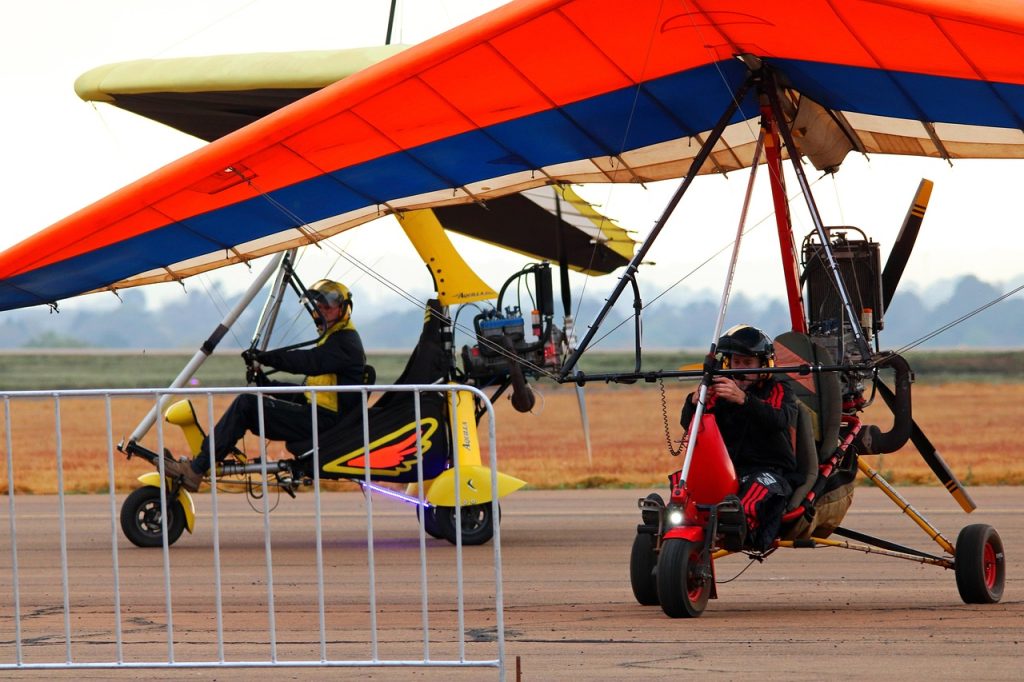
Emerging Trends in the Ultralight Aircraft Market for 2026
The ultralight aircraft market stands on the cusp of exciting advancements, marked by rapid adoption of electric propulsion and breakthroughs in lightweight materials. As leisure flying experiences renewed popularity following broader global reopening phases, manufacturers have responded with innovation to meet evolving pilot expectations. Ultralight aircraft, generally characterized by maximum take-off weights under 600 kilograms, have become increasingly accessible to hobbyists and flight schools alike, blending affordability with expanding performance capabilities.
One of the pivotal trends shaping this sector is the integration of cutting-edge lightweight composite materials, such as advanced carbon-fiber polymers. These innovations have reduced airframe weights by approximately 15%, directly translating into longer flight durations and lower operating costs per hour. This weight reduction not only promotes enhanced payload flexibility but also boosts structural resilience, allowing manufacturers to design aircraft that are both robust and efficient.
Electric propulsion, currently accounting for about 12% of new ultralight deliveries, is accelerating swiftly. Advances in battery energy density and motor efficiency have empowered developers to create zero-emission aircraft that appeal to environmentally conscious pilots and align with sustainable aviation initiatives. These aircraft present quieter operations and lower maintenance overhead, broadening their utility in noise-sensitive zones and expanding their usage beyond traditional recreational flying towards urban aerial mobility concepts.
Regulatory developments have substantially influenced the market’s trajectory. In regions like North America and Europe, governmental bodies have progressively clarified certification pathways for ultralight aircraft, particularly embracing electric and hybrid powertrains. These regulatory frameworks mitigate bureaucratic hurdles, thereby enabling faster time-to-market for innovations and incentivizing manufacturers to experiment with modular designs that facilitate component upgrades. Such designs empower owners to swap batteries or update avionics systems without necessitating complete airframe redesigns, fostering recurring revenue models for producers.
Meanwhile, regional variations remain significant. North America retains leadership with about 45% market share, buoyed by an established flight training ecosystem and clear Part-103 guidelines issued by the FAA. Meanwhile, European manufacturers emphasize sustainability and technological sophistication, often targeting flight schools and recreational users who demand quiet, refined aircraft aesthetic and performance. Meanwhile, emerging markets in Asia-Pacific and South America are witnessing a groundswell of interest driven by growing disposable incomes and expanding regulatory frameworks, setting the stage for future expansion.
Technological Innovations Driving the Market Forward
Technological strides are redefining the ultralight aircraft sector, with the adoption of electric propulsion as a game-changer that transcends conventional combustion engines. The industry is gradually shifting from two-stroke gasoline powerplants towards lightweight lithium-polymer battery systems. This transition reduces operational expenses by nearly 30% per flight hour, enabling higher aircraft utilization and lower emissions. Manufacturers including Pipistrel and Tecnam are leading pilot programs that incorporate hybrid-electric designs, combining the endurance of traditional fuels with the ecological benefits of electric motors.
Another significant innovation is the incorporation of modular avionics systems. Integrated digital flight management platforms now provide real-time telemetry, predictive maintenance alerts, and weather overlays directly to pilots’ tablets or cockpit displays. Such software ecosystems not only enhance safety and flight precision but also offer subscription-based upgrades, transforming ultralight aircraft into evolving platforms rather than static products. Flight training institutions benefit from these advances by standardizing student performance logs and facilitating remote assessments, thus optimizing instructional quality and pilot readiness.
Research and development investments continue to prioritize materials science, with carbon-fiber composites offering favorable strength-to-weight ratios and enhanced durability. The extended range enabled by these lightweight materials supports longer flights, while simultaneously keeping energy consumption and fuel expenses modest. Manufacturers are also experimenting with solar-assisted airframes in Europe to complement battery power, further edging towards sustainable aviation solutions.
The increasing electrification trend aligns closely with growing societal emphasis on reducing noise and environmental footprints. Airports and flying clubs situated near residential areas welcome quieter ultralight aircraft, which enable extended operation hours without disturbing communities. The confluence of these technologies is therefore shaping a new generation of personal aircraft that blend performance, ease of use, and eco-sensitivity.
As ultralight aircraft evolve, manufacturers are challenged to balance affordability with premium technological features. Providers that secure regulatory approvals for these innovations quickly are poised to capitalize on gaining market share. With modularity, electrification, and digital integration at the forefront, the ultralight aircraft market is charting a dynamic path into the future.
Market Dynamics: Drivers, Challenges, and Regulatory Shifts in 2026
Leisure aviation demand remains the primary driver propelling the ultralight aircraft market. Recreational pilots, eager to engage with personal flight experiences without substantial financial or certification barriers, have fueled consistent sales growth. Affordability emerges as a key factor, allowing first-time flyers to enter aviation at a lower cost. This demand ripple effect extends to supporting industries such as flight schools, maintenance services, and aviation events, cultivating a vibrant community centered on accessible airborne recreation.
Material advancements have amplified this growth by lowering airframe weights, which improve aircraft efficiency and safety. Simplicity in design, facilitated by fixed-wing dominance in ultralight segments, allows for streamlined certification and manageable maintenance schedules, crucial for hobbyists and training operators who prioritize operational reliability over complex performance metrics.
However, the sector contends with infrastructure limitations that restrain expansion. Many regions lack dedicated hangar facilities, comprehensive service networks, and a critical mass of certified instructors versed in ultralight systems. This gap increases downtime and operational costs, indirectly impeding fleet growth and deterring potential buyers. To overcome this bottleneck, some manufacturers and service providers have begun exploring partnership models that localize maintenance hubs closer to customer bases, thereby enhancing aircraft uptime and customer satisfaction.
Seasonality also impacts utilization rates significantly. Temperate regions with harsh winters see reduced flight activity during colder months, compelling operators to diversify revenue streams by offering year-round aviation experiences or complementary educational programs. Additionally, perceived safety concerns associated with ultralight aircraft persist as a market restraint. Despite statistics that place ultralights on par with other light-sport aircraft categories, occasional incidents attract disproportionate media scrutiny. Consequently, manufacturer emphasis on robust composite structures and safer avionics has become a strategic priority to build consumer confidence.
Regulatory bodies continue to play a crucial, evolving role. North America’s FAA has promulgated clear-cut Part-103 regulations, providing an open yet safe environment particularly supportive of electric-powered ultralight operations. Europe, although presenting fragmented national rules, actively pursues harmonization efforts to streamline certification while incentivizing low-noise, zero-emission models. Asia-Pacific and Latin American authorities are gradually adapting corresponding frameworks, enabling the market’s globalization and cross-border flight clubs.
Regional Market Insights and Opportunities in Ultralight Aviation
North America remains the cornerstone of global ultralight aircraft activity. Anchored by a mature flight training infrastructure and enthusiastic pilot communities, it accounts for nearly half of worldwide shipments. The FAA’s regulatory clarity provides an open pathway that balances pilot accessibility with airspace integrity. This environment fosters a marketplace where both established manufacturers and innovative startups thrive. Moreover, proximity to leading aerospace suppliers and research institutions enables rapid prototyping cycles and seamless integration of aerospace trends into production models.
Europe offers a contrasting yet complementary landscape. Although regulatory frameworks vary by nation, the continent emphasizes sustainable aviation practices. German manufacturers focusing on modular carbon-fiber designs lead innovation clusters, while markets in the United Kingdom and France emphasize electric propulsion and noise reduction technologies to address public concerns. The integration of interoperable avionics systems to meet cross-border flight demands distinguishes European producers, who often prioritize refinement and flight comfort to cater to a discerning clientele.
The Asia-Pacific region is witnessing a burgeoning interest in ultralight aviation spurred by increasing middle-class leisure spending and educational institutions introducing pilot training programs with relaxed certification requirements. Local manufacturers, while facing challenges securing premium composites, are forming partnerships with European companies to bridge technological gaps. This collaboration draws on shared expertise to accelerate regional growth and cultivate new user bases across Australia, Japan, and coastal China.
South America leverages ultralight aircraft diversity by blending recreational use with agricultural monitoring applications. Vast rural expanses in Brazil and Argentina allow ultralight planes to serve dual roles, including crop observation and surveillance. These multifunctional platforms benefit from emerging regulatory adaptations that simplify licensing for ultralight operations. Entrepreneurial firms are catering to cost-conscious buyers with entry-level kits, engendering grassroots participation that fuels broader market development.
In the Middle East and Africa, a unique market niche is emerging. Wealthy hobbyists in Gulf states and adventurous pilots in South Africa demand rugged ultralight models engineered for extreme climates characterized by heat and sand exposure. These regions are actively aligning local regulations with international safety norms, fostering imported technology and service networks. Additionally, the growth of adventure tourism including aerial experiences reinforces the need for durable, reliable aircraft capable of operating in diverse environments.
Competitive Landscape and Strategic Movements in the Ultralight Sector
The ultralight aircraft market is shaped by a spectrum of industry players ranging from major established firms to agile niche manufacturers. Leaders like Flight Design, Aeroprakt, and Tecnam define the market by blending rigorous engineering with comprehensive dealer networks and broad product portfolios. Flight Design’s commitment to modular airframes and composite construction has set a high standard in Europe, making it a preferred choice for flight schools and private operators alike. In the United States, Aeroprakt’s reputation for reliable, low-maintenance engines serves operators who demand ruggedness and operational continuity.
Tecnam’s strategic approach of aggressive certification and widespread availability positions it favorably in both leisure and light-sport segments globally. Meanwhile, Pipistrel pushes the frontier with electric propulsion prototypes that challenge traditional paradigms and influence regulatory discussions regionally and internationally. Complementing these dynamics, manufacturers like Alisport and Sky Arrow appeal to enthusiasts attracted by classic designs with updated avionics, reflecting a fusion of heritage and modernity.
Attention to affordability remains central among brands such as Quicksilver, Bristell, and AeroMax, which maintain strong footholds in markets where cost sensitivity dictates buyer behavior. Van’s Aircraft, traditionally known for kit models, has transitioned into ready-to-fly ultralights, expanding its customer base and complicating traditional distinctions within the sector.
This diverse competitive environment drives innovation and strategic partnerships. Companies increasingly invest in R&D focused on electrification, lightweight composite materials, and digital avionics, responding to aerospace trends and sustainability imperatives. Manufacturers engaging proactively with regulatory bodies accelerate product launches and hone competitive advantages by reducing certification timelines and enabling modular upgrade paths.
Operational agility is also critical; firms that embed service networks closer to customers and provide aftermarket upgrades ensure loyal communities and recurring revenues. The ultralight aircraft sphere, thus, exemplifies a vibrant ecosystem where technological leadership, customer experience, and regulatory adaptation converge to shape its future course.
The Role of Sustainable Aviation in Shaping Ultralight Aircraft Market Prospects
An overarching theme in the ultralight aircraft segment is the pursuit of sustainability, which has become a core driver for future technology adoption within aerospace. The shift towards electric propulsion not only mitigates carbon emissions but also sets new standards for quiet operation. This aligns with global movements to reduce environmental footprints associated with personal and recreational aviation. Manufacturers adopting low-emission systems find themselves better positioned to capitalize on incentives granted by regulatory authorities and appeal to an increasingly eco-conscious pilot demographic.
Advancements in battery technology, including modular lithium-polymer packs, allow ultralight aircraft to achieve operational ranges and reliability rivaling those of conventional gasoline engines. The modularity of these battery systems facilitates quick swaps and simplifies maintenance, an important consideration for flight schools aiming to maximize aircraft availability. Furthermore, the reduced mechanical complexity decreases maintenance costs and prolongs component life cycles, reinforcing affordability.
Beyond propulsion, the use of lightweight composite materials directly supports sustainability goals by reducing the energy input required for aircraft production and operation. These materials not only enhance flight efficiency but also contribute to structural longevity, diminishing the need for frequent replacements and minimizing waste.
The aerospace industry’s broader trend towards digital integration further optimizes operations. Software platforms delivering real-time performance analytics and predictive maintenance cues help operators avoid unscheduled repairs and extend aircraft lifespans. Additionally, these digital tools provide pilots with enhanced situational awareness, boosting flight safety and efficiency.
As sustainable aviation initiatives grow in prominence, the ultralight aircraft market exemplifies how recreational and personal flight can evolve responsibly. This sector’s ongoing innovations serve as a bellwether for the integration of eco-friendly technologies into general aviation, demonstrating that environmental stewardship and aviation enthusiasm can progress hand in hand.