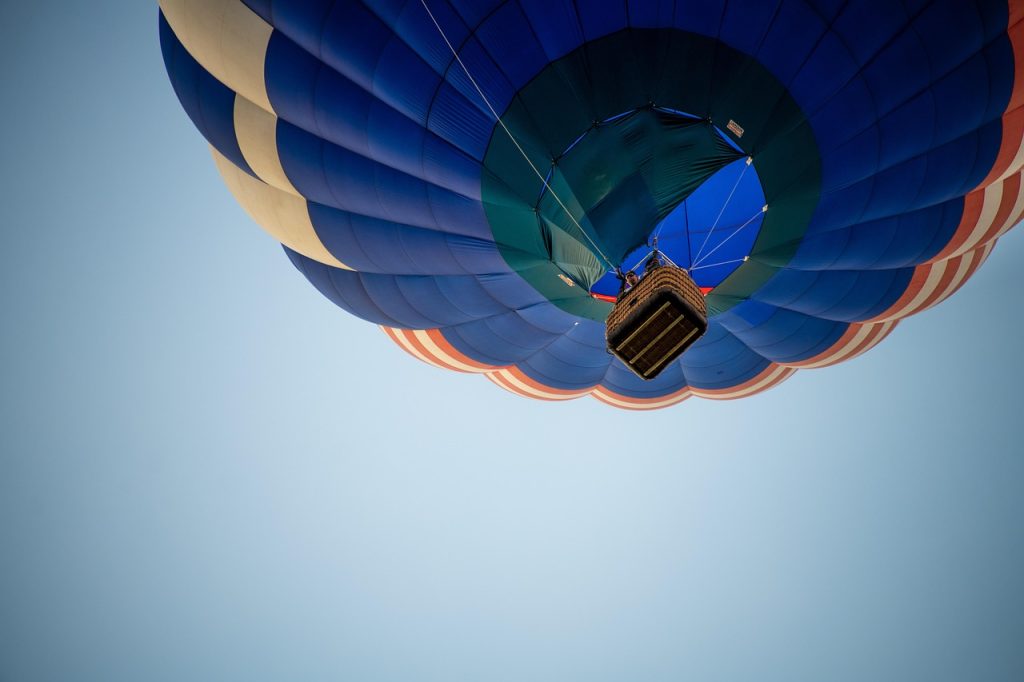
Exploring Botswana’s Majestic Landscape from the Sky: The Ultimate Aerial Safari Experience
Envision soaring above one of Africa’s most iconic landscapes, the Okavango Delta — a vast inland delta renowned for its extraordinary ecological diversity and unique geography. Recognized as a UNESCO World Heritage Site and regarded as one of the Seven Natural Wonders of Africa, the Okavango Delta unfolds beneath the aircraft like an intricate tapestry of winding channels, floodplains, lush islands, and vibrant wilderness. The panoramic aerial view reveals more than just scenery; it unveils a living mosaic teeming with wild animals moving freely across the open spaces.
Travelers embarking on an aerial safari in Botswana quickly notice how this perspective transforms the usual safari experience. With birds-eye views stretching to the horizon, vast herds such as elephants traverse the floodplains in long caravans, while hippos rest languidly in tranquil lagoons. From the air, guides and pilots can point out hidden animal groups, elusive species, and varying vegetation zones, enriching the journey with a unique blend of adventure and education. This elevated vantage point grants an unparalleled sense of scale and movement, rarely witnessed from the ground.
Throughout the flight, the vastness of Botswana’s wilderness becomes palpable — where man and nature intersect lightly, with pristine habitats preserved across vast private concessions and national parks. The peace of the aircraft’s hum combined with the silence of the untamed below creates a sensory contrast that underlines the fragility and grandeur of this ecosystem. From the air, the delta’s seasonal transformations come alive, showcasing shifting water levels and vegetation as the year progresses. This extraordinary way of discovery highlights Botswana’s commitment to eco-tourism that carefully balances human access with conservation priorities.
The aerial safari also enhances accessibility, allowing visitors to effortlessly reach remote camps deep within the delta without enduring long and strenuous overland transfers. By beginning the adventure in the sky, travelers gain more time to immerse themselves in wildlife encounters on the ground. This seamless transition from air to land exemplifies how Botswana’s tourism has evolved to blend convenience, luxury, and unforgettable nature experiences into an integrated journey.
The aerial vantage not only offers beauty but also practical insights into wildlife behavior and habitat use, visible as animals congregate around water channels and seasonal floodplains. Combined with the expert narration of pilots and guides, this immersive experience is both thrilling and educational, perfect for those seeking a comprehensive safari adventure where every moment uncovers new stories in the natural world.
How Fly-in Safaris Revolutionize Wildlife Tourism in Botswana
Fly-in safaris have transformed the way adventurers explore Botswana’s wilderness, offering a fast, comfortable, and scenic alternative to traditional overland travel. Especially for intrepid travelers who value both efficiency and adventure, this form of aerial safari removes many of the logistical barriers associated with reaching Botswana’s most remote game reserves and lodges.
Instead of enduring hours-long road transfers over challenging terrain, fly-in safaris utilize small, light aircraft such as Cessnas to ferry guests directly from regional hubs like Maun or Kasane to strip airstrips situated in secluded private concessions or public parks. For instance, flights to camps like Machaba Safaris in the Khwai Concession dramatically reduce travel time, taking roughly 25 to 30 minutes instead of the grueling five-hour road journey that can be further complicated by seasonal weather impacts such as waterlogged tracks or sand dunes.
This shift from ground to air travel does more than just save time. The aerial approach offers a spectacular safari experience from takeoff, where every moment in the sky can be a wildlife and landscape-watching adventure. Pilots often double as guides, pointing out large elephant herds, prides of lions, and even rare species like the fish-eating owl. The constant changing mosaic of waterways, floodplains, woodlands, and savannahs reveal the complexity of this biodiverse hotspot in a way that is impossible to replicate from the ground.
Besides its practical benefits, the fly-in safari model encourages sustainable tourism by limiting the number of vehicles on the sensitive wilderness areas and decreasing the environmental impact of long overland transfers. Flights cater to smaller groups, enhancing the intimacy of the experience while also prioritizing safety and comfort.
Travelers looking for a distinctive aerial safari adventure can also explore specialized aviation safaris in regions like the Serengeti, which share a similar philosophy of blending aerial viewing with immersive wildlife encounters. The integration of light aircraft in safari logistics exemplifies Botswana’s innovative efforts to maintain the balance between tourism growth and conservation.
Diverse Wildlife Encounters Through Combined Aerial and Ground Safari Activities
Flying in enables more than just stunning aerial views—it unlocks time and access to an exceptional range of ground-based safari activities that cater to every interest and passion. Botswana’s aerial safari experiences seamlessly combine air travel with authentic bush excursions such as game drives, walking safaris, mokoro canoe rides, and birdwatching expeditions, each revealing unique facets of the wild.
The early morning game drives are particularly rewarding when animals are most active. Guides use their intimate knowledge of the region to track movements of large elephants congregating around waterholes or lions resting under acacia trees. The Okavango Delta is unique for hosting the only fish-eating owl species and boasts one of Africa’s densest elephant populations, offering rare photographic and observation opportunities. Night drives add an entirely new dimension, revealing nocturnal wildlife like bush babies and owls unseen in the daytime.
Walking safaris further deepen the sensory connection to nature. Guided small-group walks grant participants close encounters with animal tracks, intriguing plant species, and the subtle sounds and aromas of the delta’s ecosystems. These explorations highlight ecological interdependencies and conservation efforts, providing guests with an educational, immersive experience far removed from the confines of a vehicle.
During the flood season, mokoro safaris present magical journeys on traditional dugout canoes through narrow water channels lined with reeds. Skilled “Polers” quietly navigate the boats, allowing travelers to glide silently amid hippos, crocodiles, and myriad bird species. This mode of transportation exemplifies how Botswana preserves cultural heritage within its wildlife tourism framework.
The blend of aerial perspectives with ground-level adventure offers unmatched opportunities for wildlife photographers as well. Expansive aerial shots capture the vastness of the delta, while intimate portraits and action shots can be achieved during drives and excursions. Expert guides facilitate these moments by directing guests to the best vantage points for capturing dynamic images of wild animals against the breathtaking Botswana landscape.
Seasonal Insights: When to Embark on a Botswana Aerial Safari for Optimal Wildlife Viewing
Choosing the right time for an aerial safari in Botswana can greatly enhance the wildlife experience, as the country’s landscape and animal activity vary significantly between dry and wet seasons. Each season paints a different portrait of the wilderness, inviting visitors to discover unique patterns of nature’s rhythms from the sky and the ground.
From May to October, the dry season offers travelers favorable weather with cooler mornings and sunny days. As water sources shrink, animals such as elephants, buffalo, and hippos concentrate around permanent rivers and lagoons, simplifying wildlife tracking and increasing chances of sightings. Visibility improves due to thinning vegetation, and cooler temperatures make game drives and walking safaris comfortable and enjoyable. This period is ideal for those seeking classic, accessible wildlife viewing and crisp photographic conditions.
Conversely, the wet season from November through March transforms Botswana into a lush green sanctuary. Summer rains bring a dramatic revival of vegetation, fueling a surge in birdlife diversity and breeding activity. Although short afternoon thunderstorms are common, they often clear quickly to reveal stunning skies perfect for capturing vibrant landscapes and dynamic wildlife behavior.
Flying over the delta during the wet season offers a mesmerizing spectacle of water expanding across the floodplains, reshaping habitats and opening water channels. This seasonal spectacle supports a different set of biological activities, attracting migratory birds, spawning fish, and other species adapted to aquatic environments, offering specialized birdwatching and photographic opportunities rare elsewhere. While flights may experience brief turbulence due to thermal activity, pilots expertly navigate these conditions, reinforcing the adventure element of the aerial safari.
Regardless of the season you choose, Botswana’s aerial safari delivers a continuously evolving encounter with nature that reflects the country’s status as one of Africa’s last bastions of wildness and natural beauty. Understanding these seasonal nuances allows travelers to tailor their journey based on wildlife priorities, be it predator sightings, birdwatching, or experiencing the vibrant wetland ecosystems.
Packing Smart for an Aerial Safari in Botswana: Essentials for Nature and Comfort
Preparing for a fly-in aerial safari in Botswana demands thoughtful packing to accommodate strict luggage restrictions while ensuring comfort and utility throughout your adventure. Operating on small aircraft with limited baggage capacity means packing light and wisely, focusing on versatile, multi-use items that fit into soft-sided bags required for easy stowage.
The typical luggage allowance hovers around 20 kilograms per passenger, including hand luggage, underscoring the importance of selecting essentials over luxury extras. Neutral-colored clothing in khaki, olive, and earth tones helps blend into the landscape, making visitors less noticeable to wild animals and insects alike. Fabrics that are breathable, quick-drying, and suitable for layering prepare travelers for early morning chills and hot afternoons encountered during both seasons.
Key items include sturdy walking shoes for terrain exploration, a wide-brimmed hat for sun protection, and high-quality sunscreen, indispensable under Botswana’s equatorial sun. Lightweight rain jackets and waterproof daypacks ensure readiness for unexpected wet season showers or misty mornings, while binoculars and cameras with sufficient memory and zoom capabilities capture the expansive aerial views and intimate wildlife moments alike.
Accessories such as a small torch or headlamp prove useful around camp after dusk, and for those seeking greater comfort, lodge services like laundry facilities help maintain freshness even on extended trips. Smart-casual attire is also advisable for lodge dinners under the African night sky, blending comfort with elegance in this remote wilderness setting.
By carefully considering these packing recommendations, adventurers maximize their safari experience—lightening the load on flights, easing ground transfers, and preparing for the full spectrum of activities that Botswana’s aerial safari offers. It reflects a balance of adventure and refined comfort that distinguishes the region’s wildlife tourism as one of the world’s most sought-after nature escapes.