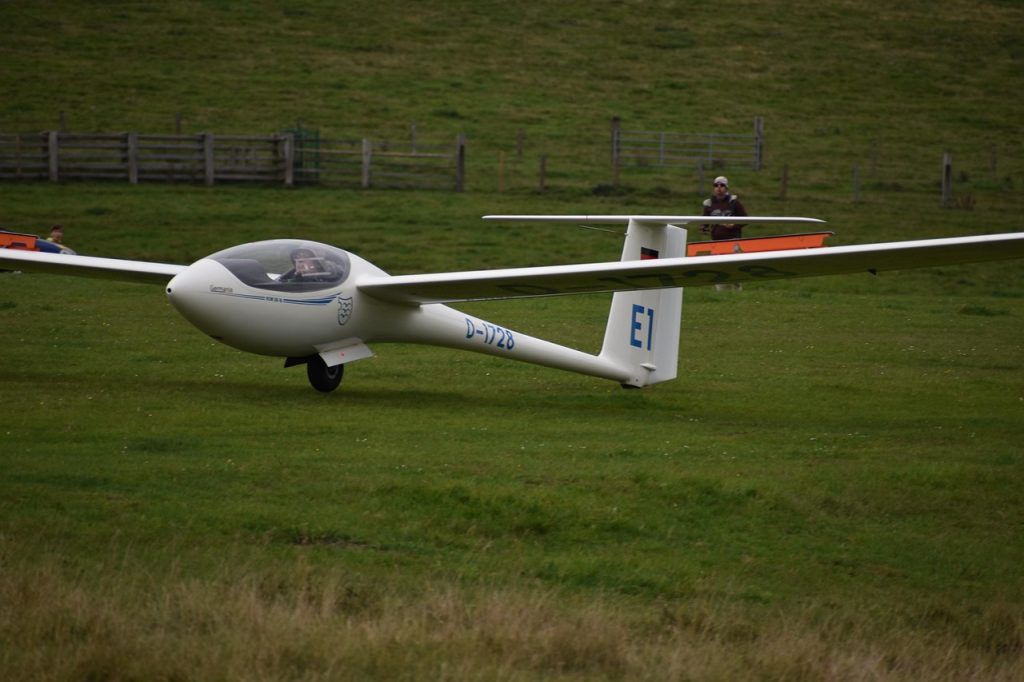
Advancements in Aerodynamics: Schleicher ASG 29 Versus Schempp-Hirth Ventus 3 in 2026
In competitive gliding, aerodynamic refinement remains a decisive factor shaping sailplane performance. The Schleicher ASG 29 and the Schempp-Hirth Ventus 3, two flagship models from Germany’s most esteemed manufacturers, embody distinct approaches to aerodynamic excellence in the 18-meter class. Over the years leading to 2026, incremental upgrades and design optimizations have contributed to maintaining their status among top-tier gliders. Understanding their aerodynamic nuances reveals much about their respective flight efficiencies and competitive edge.
The Schleicher ASG 29 evolution builds on the legacy of its predecessor, the ASW 27, with a high-aspect-ratio wing featuring a 13% thickness profile, combined with a blowhole boundary layer control system at 95% chord. This design promotes extensive laminar flow, reducing drag and enhancing the glide ratio to a remarkable 50:1 in its optimized 18-meter configuration. The use of carbon fiber composites for the wing spars and a rigid torsion-resistant structure underpins the glider’s ability to maintain control responsiveness even in turbulent conditions. Furthermore, the advanced flap and aileron system featuring independent controls for inner flaps and outer ailerons bolsters low-speed handling during thermalling, allowing pilots to maximize climb rates in weak lift.
Conversely, the Schempp-Hirth Ventus 3 introduces a swept, multi-dihedral wing planform that excels in providing stability and control with less induced drag, particularly in cross-country soaring scenarios. Its ultra-thin carbon-fiber fuselage contributes to minimizing parasitic drag. The Ventus 3’s wing aerofoil is meticulously optimized for retaining performance when fully ballasted—a significant advantage in days when strong thermals allow for faster cruising speeds without losing climbing efficiency. This design philosophy enhances the glider’s versatility across diverse weather conditions, confirming its status as a favorite among pilots competing in challenging environments.
Where the ASG 29 focuses on balanced efficiency across thermalling and cruising phases, the Ventus 3 specializes in excelling during fast, straight-line cross-country legs, a trait that can transform race day outcomes. Notably, the Ventus 3’s adaptability to weak thermal conditions without sacrificing ballast capacity aligns with evolving glider technology trends prioritizing flight efficiency and pilot safety. The advanced winglets and refined leading-edge treatments on the Ventus further reduce vortices and unwanted drag sources, keeping it highly competitive.
Overall, the aerodynamic competition between these two gliders in 2026 reflects subtle but meaningful differences. Schleicher’s commitment to modular wing configurations and flaperon control systems provides flexibility for varying competition classes, making the ASG 29 a versatile asset. Meanwhile, the Schempp-Hirth Ventus 3’s cutting-edge wing shaping and laminar flow maximization present unmatched efficiency in high-speed flight, favored in elite competitive gliding circuits.
Structural Design and Materials: Impact on Flight Efficiency for Schleicher ASG 29 and Schempp-Hirth Ventus 3
The construction and choice of materials deeply influence sailplane flight dynamics, safety, and durability. Both the Schleicher ASG 29 and the Schempp-Hirth Ventus 3 use advanced composite materials, but their structural philosophies reveal distinct engineering priorities impacting performance and pilot confidence in 2026.
Schleicher’s ASG 29 leverages a carbon epoxy sandwich fuselage combined with Dyneema reinforcements, resulting in a cockpit optimized for both strength and weight savings. The design prioritizes torsional rigidity with a wing spar composed of carbon fiber caps around a glass-reinforced plastic (GRP) and foam web. This not only increases stiffness but also preserves an empty weight around 280 kg, facilitating responsive handling and efficient energy retention in thermals.
The ASG 29 implements a T-tail with an all-moving horizontal stabilizer that optimizes pitch control without compromising stability, crucial for managing varying load factors during aggressive maneuvers. Its retractable single-wheel undercarriage, featuring hydraulic disc brakes, contributes to aerodynamic cleanliness and reduces drag. The water ballast system, capable of holding up to 202 kg, allows pilots to adjust wing loading mid-flight, an essential aspect for exploiting changing atmospheric conditions efficiently.
On the other hand, Schempp-Hirth’s Ventus 3 integrates a fuselage and wing structure heavily optimized using carbon fiber and glass-reinforced plastics, focusing on slender profiles and minimal drag while maintaining exceptional strength. The wing features a multi-dihedral sweep that balances lateral stability and structural integrity under high load scenarios. This engineering choice reflects a design optimized for sustained high-speed cruising and minimal drag during swift transitions between thermals.
The Ventus 3 also incorporates a refined winglet design and a sophisticated water ballast system, supporting higher wing loading while maintaining nimble handling characteristics. Its empennage employs a similar T-tail configuration but with tailored aerodynamic tailoring to improve yaw stability during coordinated turns. The demanding requirements of competitive gliding circuits mean the Ventus 3’s structure is engineered for both robustness and aerodynamic refinement, resulting in durability over extended competitive seasons.
In terms of maintenance and operational efficiency, both gliders benefit from modular components that streamline repairs and upgrades, offering clubs and private owners flexibility. For instance, ASG 29’s interchangeable wingtips allow quick conversion between 15-meter and 18-meter classes without extensive downtime. Meanwhile, Ventus 3’s airframe has been extensively tested to ensure long-term fatigue resistance and minimal degradation of aerodynamic surfaces, maintaining peak performance years after initial assembly.
The choice of structural technologies and materials in 2026 reflects a broader trend within the gliding community toward balancing lightweight construction with safety and performance. Between contrasting approaches to balance stiffness, mass distribution, and aerodynamic cleanliness, both Schleicher ASG 29 and Schempp-Hirth Ventus 3 stand out as exemplars of modern sailplane engineering, each with distinct strengths influencing flight behavior and pilot preference.
Cross-Country Soaring and Competitive Gliding: Performance Insights of ASG 29 and Ventus 3
Cross-country soaring demands sailplanes that not only glide efficiently but also adapt dynamically to variable weather, thermals, and airspace challenges. By 2026, the Schleicher ASG 29 and Schempp-Hirth Ventus 3 have secured reputations as preferred aircraft for pilots seeking high performance in competitive gliding contexts, delivering nuanced advantages suited to different flying styles.
The ASG 29 demonstrates exceptional versatility in cross-country tasks, attributed largely to its advanced flaperon system and modular wingspan options. Pilots benefit from the ability to switch between 15-meter and 18-meter configurations depending on competition category or weather conditions. This adaptability enhances thermal centering abilities with the 15-meter wingspan while providing outstanding glide ratios with the 18-meter setup—a crucial factor for covering long distances swiftly.
Moreover, the ASG 29’s water ballast system enables strategic wing loading adjustments during flight, vital for optimizing speed against sink rates amid diverse lift strengths. Pilots have reported outstanding long-distance flights exceeding 1,500 kilometers, with some achieving average speeds above 140 km/h — impressive figures that underscore the sailplane’s capabilities in endurance and high-speed phases.
By contrast, the Ventus 3 shines on days that favor fast cruising between strong thermals. Its wing design allows pilots to maintain ballistic energy with full water ballast, giving a decisive edge during race legs requiring sustained speed. Noteworthy is the glider’s capability to climb proficiently even when heavily ballasted, which mitigates the typical tradeoff between speed and climb rate. Such features make it highly appealing for championship-level competitors seeking to maximize every thermal and inter-thermal transition.
Experiences from worldwide contests highlight the Ventus 3’s exceptional handling in variable conditions, including weak ridge lift and turbulent air. It consistently performs well in both European and global championships, where pilots maximize flight efficiency through precise control and aerodynamic optimization.
Between the two, the choice often hinges on pilot strategy: the ASG 29’s modularity and thermal agility cater to versatile flight plans, while the Ventus 3’s aerodynamic refinement and ballast capacity favor aggressive cross-country speeds. As technological updates continue improving avionics integration and lighter materials, both models remain competitive contenders in the ever-evolving arena of competitive gliding.
Technological Innovations and Cockpit Features Elevating 2026 Glider Performance
Recent years have witnessed significant advancements in cockpit technology and onboard systems that enhance pilot experience and glider performance. Both the Schleicher ASG 29 and the Schempp-Hirth Ventus 3 leverage these innovations in 2026, highlighting the convergence of aerodynamics and avionics in modern sailplanes.
The ASG 29 cockpit centers on pilot ergonomics, featuring a reinforced canopy with carbon fiber and Dyneema for safety while offering exceptional visibility crucial for situational awareness during thermal hunting. Instrumentation incorporates state-of-the-art variometers, GPS navigation aids, and flight recorders integrated seamlessly with the control panel, enabling real-time data strategies during cross-country flights.
Ballast management is notably user-friendly, with electronic controls managing water and optional fuselage tanks to maintain optimal center-of-gravity and wing loading ratios. The flap control system offers seven discrete positions, allowing precise flight profile adjustments to suit varying atmospheric conditions.
Significant attention has been paid to integrating systems that reduce pilot workload, such as retractable bug wipers housed in aerodynamic “garages” that pilots can deploy without compromising airflow. This is especially practical for maintaining laminar flow over critical wing sections and cockpit canopies during long flights encountering insects or precipitation.
Meanwhile, the Ventus 3 cockpit epitomizes minimalist yet data-rich design, prioritizing intuitive control layouts with advanced telemetrics that feed into automated flight optimization aids. One hallmark innovation includes an electric sustainer engine variant with a fully retractable propeller, allowing pilots to self-launch or sustain altitude without compromising glider aerodynamics once retracted.
Further technological investments in fly-by-wire control systems have been explored for variants of the Ventus 3, offering pilots enhanced control precision and feedback. Although rare in traditional sailplanes, these innovations hint at the direction competitive glider technology is heading, blending human skill with automated precision to push the boundaries of soaring performance.
Operational data from 2026 reveals improved thermal exploitation and safety margins attributable to these cockpit innovations across both models. The synergy of ergonomic design, advanced materials, and cutting-edge avionics enhances pilot confidence and endurance during demanding competitive performances.
Market Presence, User Experiences, and Future Prospects of ASG 29 and Ventus 3
The evolving competitive landscape and soaring community preferences continue shaping the market presence of Schleicher ASG 29 and Schempp-Hirth Ventus 3 gliders. By 2026, both models benefit from strong operator support, extensive user feedback, and ongoing technical refinements that secure their positions as leading choices for pilots worldwide.
The ASG 29 enjoys widespread adoption across European soaring clubs, including prominent ones in Germany and the UK, where its modular design supports diverse training and competition needs. Australian and North American operators also appreciate the model’s adaptability, with self-launching variants streamlining logistics for cross-country expeditions. Costs for a used ASG 29 as of 2024 ranged from approximately €120,000 to €180,000, reflecting its enduring value proposition and continued demand.
Feedback from pilots frequently highlights the ASG 29’s balanced performance, forgiving handling in weak thermals, and efficient ballast system. Competitive gliders equipped with the ASG 29 have set speed records on triangular courses exceeding 500 kilometers, attesting to the model’s proven capabilities in high-pressure environments. Furthermore, the Es variant’s electric starter engine offers operational convenience without diminishing flight efficiency, appealing to those seeking reliable self-launching capabilities.
Meanwhile, the Schempp-Hirth Ventus 3 remains a benchmark for aerodynamic efficiency and racing performance. Its persistence in global championships and record attempts reflects confidence in its design, particularly on days demanding full utilisation of ballast and rapid inter-thermal transitions. Pilots often remark on its reassuring handling at high speeds and resilience under turbulent ridge soaring conditions.
Looking ahead, both manufacturers continue to invest in composite material developments, control system enhancements, and aerodynamic refinements to maintain competitiveness amid emerging technology trends. Integrations such as lightweight electric sustainers and augmented reality flight aids are expected to become more prevalent, marking future editions of these classic gliders.
The market dynamics by 2026 demonstrate a balanced rivalry where the ASG 29’s versatility and pilot-friendly systems co-exist with the Ventus 3’s aerodynamic sophistication and pure-flight efficiency. This dynamic fuels ongoing innovation, ensuring both gliders remain pivotal references in the realm of high-performance sailplanes.