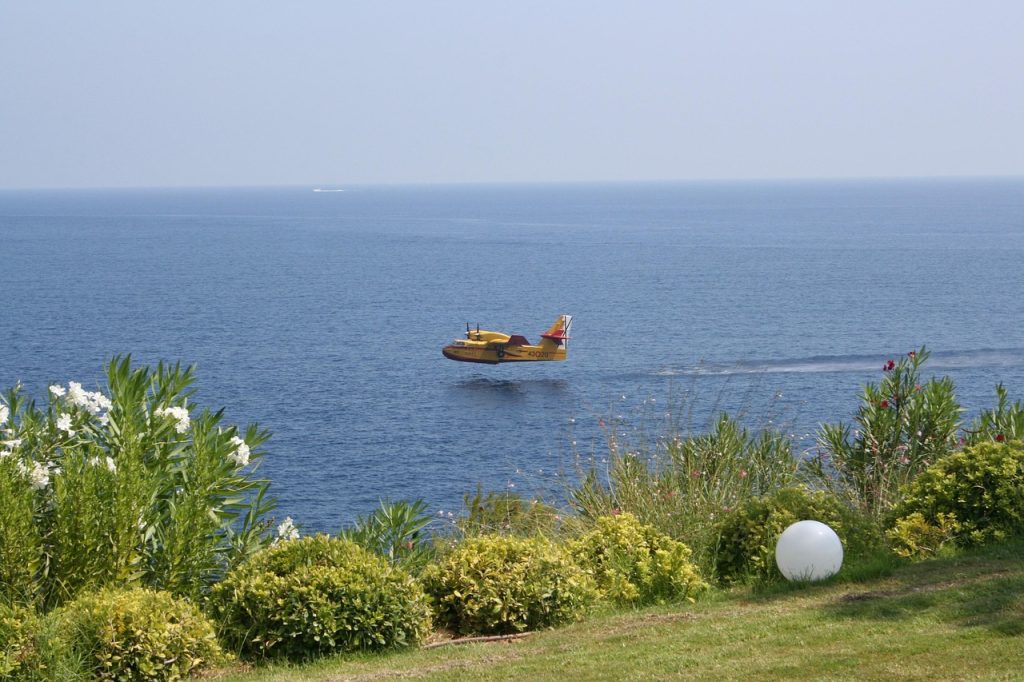
Early Pioneering Aircraft and the Birth of Seaplane Aviation
The trajectory of maritime aviation began with a remarkable series of aeronautical innovations during the early twentieth century. Despite the United States’ dominant role in aviation, the maiden flight of the first seaplane was accomplished on French waters. In March 1910, Henri Fabre, an engineer and pilot from Marseille, took to the Étang de Berre on an aircraft named Le Canard, or The Duck, powered by a modest 50-horsepower engine. This fragile craft surprisingly managed to fly about 500 meters—double the distance initially achieved by the Wright brothers’ first powered flight.
Fabre’s perseverance led to multiple flights that day, each concluding safely on nearby water, demonstrating the viability of aircraft capable of taking off and landing on bodies of water. This early success was more than a momentary spectacle; it laid the groundwork for subsequent developments in seaplane and flying boat technology. The significance of these waterborne pioneers is evident when examining later aviation milestones, including the world’s first transatlantic passenger flight in 1939, performed by Pan American’s Yankee Clipper flying boat. This impressive aircraft ferrying 74 passengers regularly connected New York to Marseille over the Atlantic, continuing the legacy of seaplane operations on the same French waters where Fabre’s historic flight began.
The evolution from fragile prototypes to sophisticated flying boats illustrates the relentless drive of early aviation pioneers. Seaplanes occupied a unique niche, blending the challenges of flight with naval design principles to overcome the lack of extensive land-based airport infrastructure. Enthusiasts and professional pilots alike remain fascinated by these early aircraft for their blend of ingenuity and daring, which propelled the broader advancement of air travel.
The Golden Age of Flying Boats: Luxury and Long-Distance Air Travel
From the 1920s through the 1930s, flying boats firmly established themselves as the epitome of luxury air transport. At a time when ocean liners dominated long-haul travel, flying boats offered an expedited alternative that carried passengers across vast oceanic distances in unparalleled comfort. These aircraft were not merely modes of transportation; they embodied the glamour and prestige of a new era in aviation history.
Operators like Pan American Airways and Imperial Airways curated an experience akin to an ocean liner voyage. Passengers reclined in private berths that could be converted from seats, enjoyed chef-prepared meals served amidst white tablecloth settings, and gazed through expansive windows at the endless seascape below. The level of service and exclusivity was carefully crafted by airline founders like Juan Trippe, who envisioned seaplane flights as the aerial equivalent of first-class ocean travel. This vision extended to uniforms with naval influences and flight personnel roles such as captains and navigators, emphasizing maritime aviation traditions.
Such flights typically spanned several days, a commitment offset by the comfort aboard these massive aircraft. The Boeing 314 Clipper, one of the iconic flying boats of this golden age, not only demonstrated extended range and payload but also served as a technological benchmark in aircraft design. These flying boats successfully bridged continents and oceans, overcoming the limitations of contemporary land-based aircraft and making global air travel more accessible.
While flying boats garnered admiration for their grandeur, they also demanded intricate engineering to ensure their seaworthiness and operational reliability under varying maritime conditions. Efficiency in both air and water performance was essential, leading aircraft designers to innovate in hull engineering and wing construction to withstand rough seas and turbulent winds.
Despite their decline following the emergence of modern airports and jet-powered airliners, the legacy of flying boats survives through contemporary seaplane operations, and their unforgettable imprint remains a celebrated chapter in aviation history. For those interested in modern seaplane flying, resources like the Seaplanes Buying Guide 2026 offer comprehensive insights into current models influenced by these historic designs.
Technical Distinctions Between Seaplanes and Flying Boats in Aviation Milestones
Understanding the nuanced differences between seaplanes and flying boats is crucial for appreciating their roles in aviation history. Although both operate on water, their design philosophies diverge sharply, reflecting distinct solutions to the challenges of maritime aviation.
Typically, seaplanes, often known as floatplanes, start from conventional land-based aircraft frameworks. They are retrofitted with pontoons or floats to enable water takeoffs and landings. This conversion is relatively straightforward and is often performed by certified maintenance crews, making seaplanes versatile for various missions including tourism, transportation to remote lakes, or pilot training. They remain lighter and more maneuverable, suitable for accessing lesser bodies of water. Discussions on pilot ratings for these specialized aircraft are detailed in guides like the Seaplane Rating Guide, which elaborates on the certifications required for safe operation.
In contrast, flying boats incorporate a deep integration between aircraft and marine design. Their fuselage doubles as a hull with a robust V-shaped bottom, built to withstand rough water impacts during takeoff, landing, and taxiing. The structural demands necessitate rigorous design criteria addressing both aerodynamic efficiency and maritime resilience. According to aeronautical research, such as that compiled by Laurence K. Loftin Jr., a flying boat must balance air drag considerations with seaworthiness, stability, and maneuverability on the water—unique challenges that pushed the boundaries of aircraft design during the golden age.
The sophistication involved in flying boat development is reflected in operational history, underscoring why they were pivotal in early long-distance air travel and crucial wartime reconnaissance missions. These aircraft’s capacity to operate from vast bodies of water allowed governments and militaries to circumvent the scarcity of land-based runways across continents and oceans.
Seaplanes and Flying Boats during Wartime: Strategic Utility and Adaptation
The strategic benefits of seaplanes and flying boats were markedly showcased during the two world wars. In World War I, the U.S. Navy collaborated deeply with aircraft manufacturers to produce multiple patrol flying boats, including the famed NC series. The NC-4, a Glenn Curtiss design, was an emblem of pioneering spirit as it completed the first transatlantic flight in 1919—a landmark aviation milestone accomplished via waterborne aircraft at a time when solid runway infrastructure was far from common.
During World War II, the versatility of these aircraft was further demonstrated. Their ability to conduct reconnaissance over vast oceanic expanses, perform search and rescue operations in remote Pacific regions, and undertake anti-submarine warfare made them indispensable assets to the Allied forces. Their water-based operation granted flexibility that landplanes could not replicate, especially in areas lacking developed airport facilities.
Nevertheless, the post-war era brought significant changes. The rise of jet engines and the development of longer, paved runways gradually made flying boats obsolete in military and commercial contexts. Despite this, seaplanes found new life in specialized roles such as maritime search and rescue missions, where their longer endurance and passenger capacity offered advantages over helicopters. Their adaptability continues to be valuable, especially in remote regions like Canada’s numerous lakes and fjords for which seaplanes remain a primary means of access, as highlighted in detailed travel experiences on sites like Canada’s seaplane lakes.
The Cold War era brought unique projects such as the U.S. Navy’s Martin P6M SeaMaster, which embodied the ambition of merging flying boat capability with strategic military demands. Although ultimately canceled due to logistical challenges, the SeaMaster remains a testament to the adaptability and continued relevance of flying boat concepts in aeronautical innovation.
Biscarrosse’s Role in the Golden Age of Seaplanes and Aviation Heritage
The southwestern French town of Biscarrosse serves as an emblematic example of how geography and vision converged to foster a hub for seaplane aviation during the golden age. Nestled by expansive lakes and sheltered from Atlantic storms, Biscarrosse was ideally positioned to develop and test pioneering aircraft designs. Its natural environment supported extensive hydroaviation activities that linked Europe to distant continents and facilitated early transatlantic air routes.
Pierre-Georges Latécoère, a key figure in aeronautical industry innovation, established facilities in Biscarrosse, where his company engineered groundbreaking flying boats such as the massive Latécoère 631. These machines reflected a blend of engineering prowess and luxury air travel aspirations. Biscarrosse’s hydrobase became synonymous with experimental flights, pilot training, and maintenance work that collectively propelled maritime aviation to new heights.
The legacy of this period continues to be commemorated through institutions like the Musée de l’Hydraviation, which preserves the history and artifacts related to this golden era. These exhibits offer insights into the development of international air travel and the courage of pilots and engineers who risked much to expand aviation frontiers.
Today, Biscarrosse’s identity bridges its rich aviation past with its status as a scenic tourist destination. Visitors can immerse themselves in the region’s vibrant history and natural beauty, gaining a deeper appreciation for the broader history of seaplanes and their impact on aviation milestones. This unique blend of culture, innovation, and pioneering spirit exemplifies the enduring influence of maritime aviation well into the 21st century.